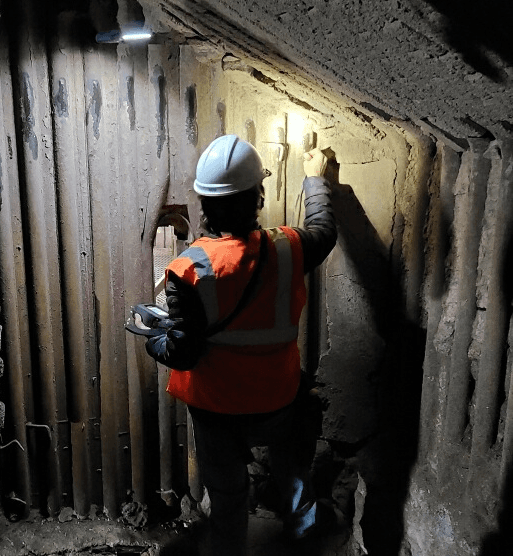
Know the condition of your fired equipment — and what to do about it
Inspections, combustion tuning, emissions testing, UT surveys, and commissioning support - delivered by the same engineers who design boilers, pressure vessels, and combustion systems. When field findings require engineering follow-through, there is no handoff.
ASSET CONDITION & PERFORMANCE
Assess, Diagnose, and Optimize Fired Equipment and Pressure Vessels
Combustion tuning and optimization: Restore or improve combustion efficiency, emissions compliance, and steam capacity through systematic air-fuel ratio adjustment, OFA tuning, grate speed optimization, and load-dependent performance benchmarking against original design conditions.
Boiler and pressure vessel inspections: Evaluate the condition and remaining service life of pressure parts, refractory, grates, convection pass components, drums, and headers. Every inspection produces a prioritized repair and replacement plan - not just a list of observations.
Emissions testing and regulatory compliance: Stack testing, continuous O₂/CO/NOₓ measurement, opacity assessment, and regulatory documentation for 40 CFR Part 63, state permits, and MACT compliance, performed by engineers who understand how combustion conditions drive emissions.
Startup and commissioning support: First-fire supervision, safety interlock verification, control loop tuning, BMS checkout, and operator training during initial operation. CPE commissions the systems we design and systems designed by others.
UT thickness surveys: Ultrasonic thickness mapping of tubes, pipes, drums, headers, and pressure vessels to quantify and identify thinning patterns to perform remaining-life calculations. Year-over-year trending identifies degradation before it becomes a forced outage.
Root cause failure analysis: On-site investigation of tube failures, superheater damage, grate deterioration, and refractory degradation. CPE identifies the mechanism, traces it to the operating or design condition that caused it, and engineers the corrective action, from metallurgical changes to system redesign.
DELIVERABLES
Documented Findings, Quantified Condition, Actionable Path Forward
Every engagement produces structured data and engineering-grade documentation - condition assessments, performance benchmarks, and prioritized recommendations that connect directly to maintenance planning or capital project scoping.
Field Engineering Reports
Structured field reports, tuning data, and inspection documentation.
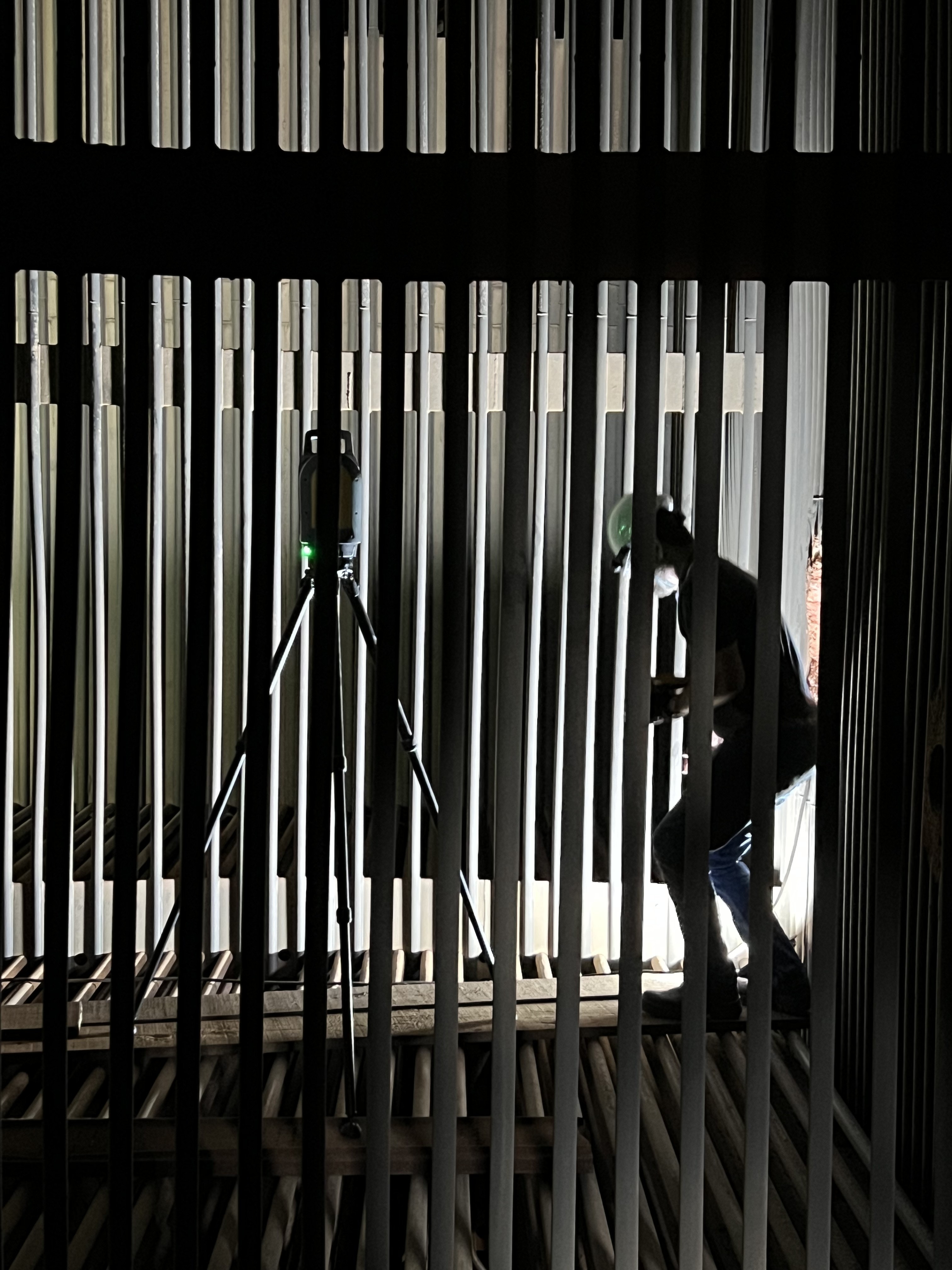
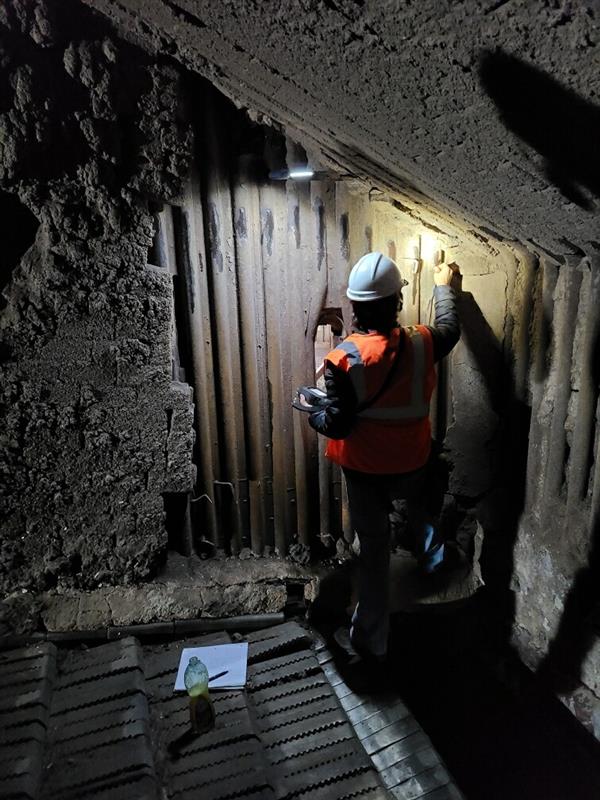
On-Site Engineering Work
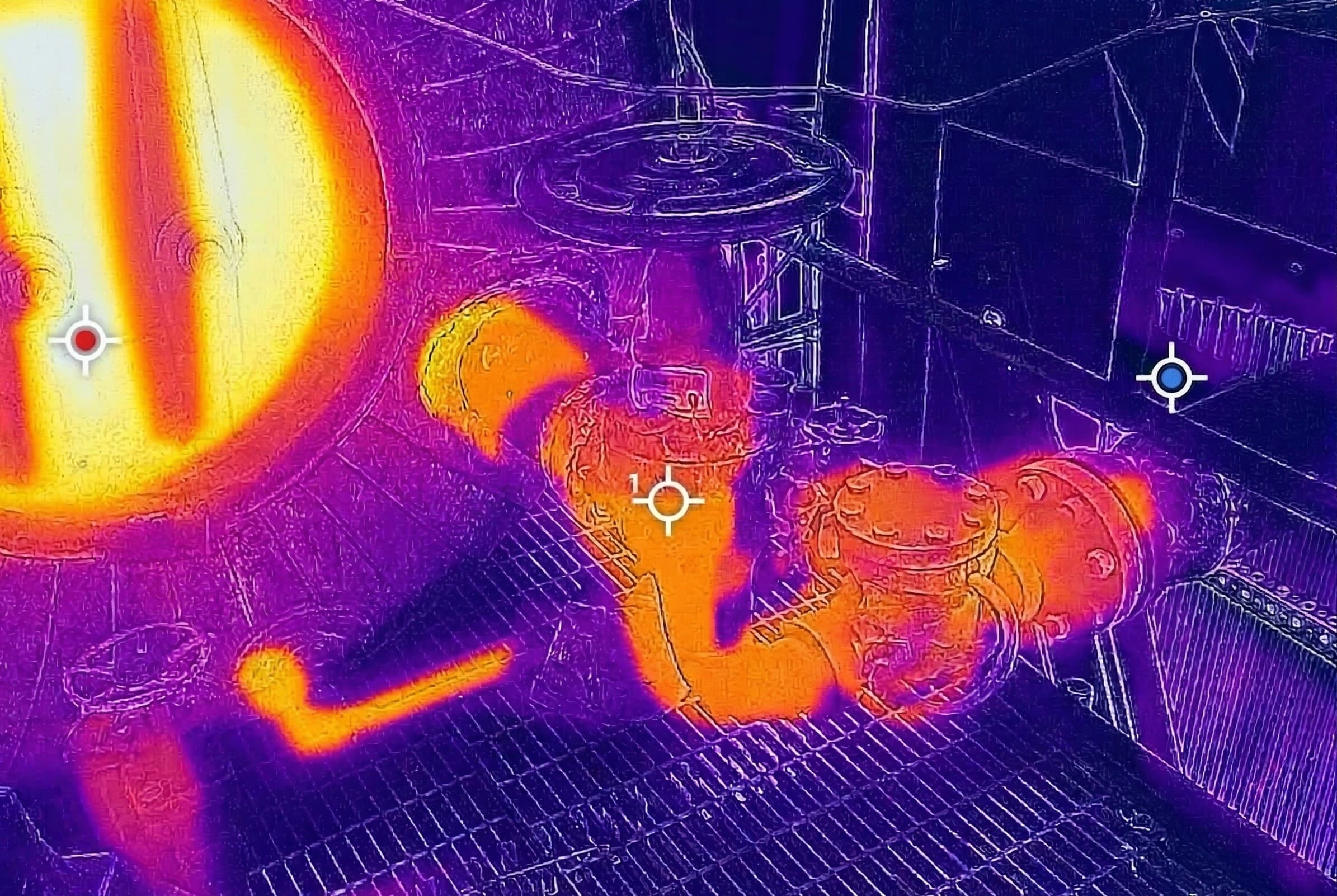
CPE engineers performing combustion tuning, inspections, emissions testing, and commissioning.


Field Reports
Site findings, measurements, and annotated photography with changes made on-site and engineering recommendations for follow-up. Each report is structured for use in maintenance planning and capital budgeting - not filed and forgotten
Tuning Reports
Before-and-after combustion performance data, air distribution settings, load-dependent operating parameters, and benchmarks against design conditions. Provides the baseline for ongoing performance monitoring and identifies equipment limitations that tuning alone cannot resolve.
Inspection Reports
Condition assessment and remaining-life evaluation of pressure parts, refractory, grates, and auxiliary equipment. Repair and replacement recommendations are prioritized by criticality and tied to estimated costs - giving asset managers what they need to plan outages and defend capital requests.
Emissions Data and Compliance Reports
Stack test results, emissions calculations, and regulatory compliance documentation formatted for agency submission and cross-referenced to combustion operating data so future tuning can target compliance margins.
APPROACH
From Site Visit to Solution
Structured field work with engineering follow-through. When an inspection or assessment reveals a need for design, repair engineering, or a capital project - CPE is already the team to do it.
Site Assessment and Planning
Evaluate facility conditions, equipment history, and project requirements. Define work scope, safety plans, and mobilization needs.
Equipment and Crew Deployment
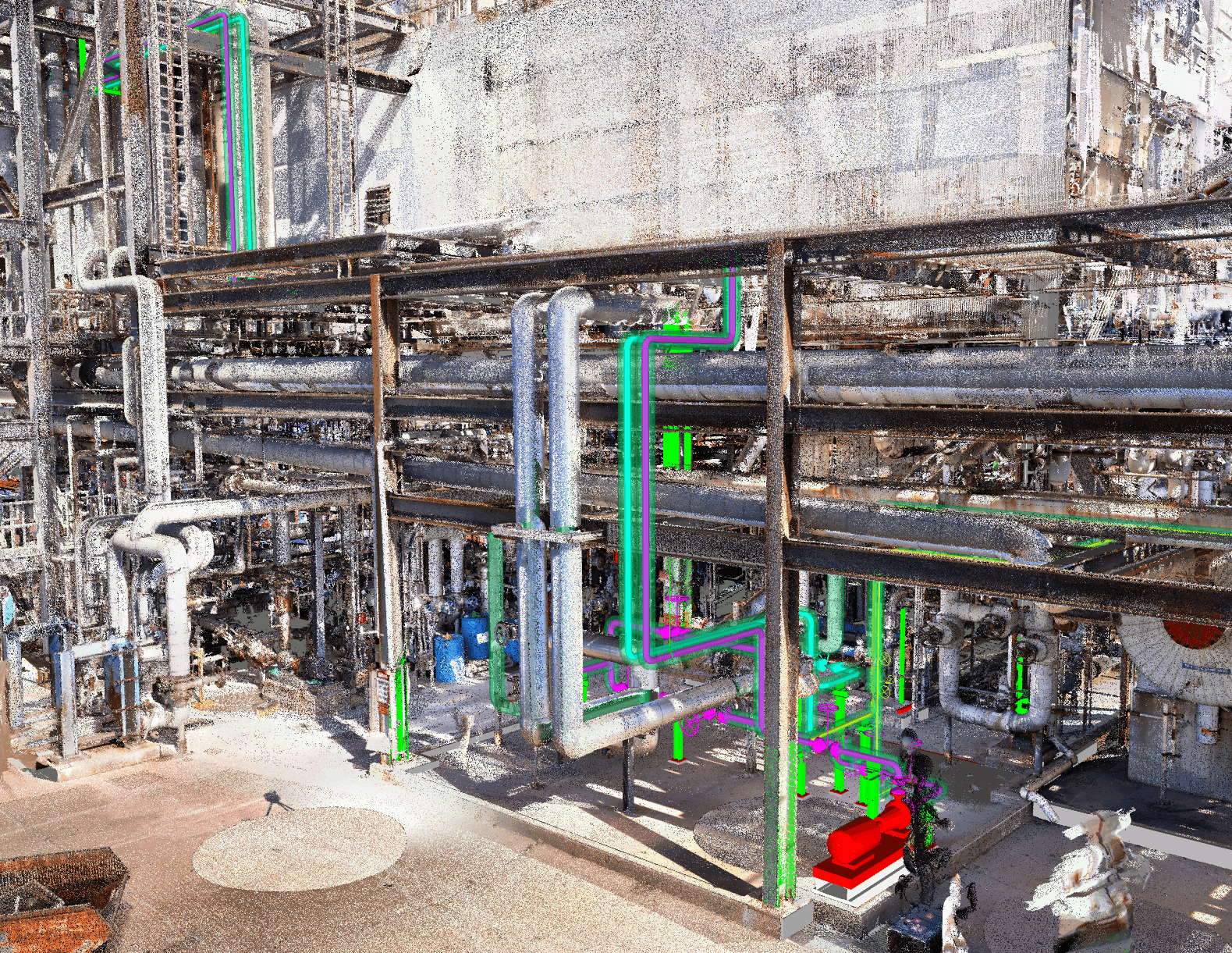
Mobilize qualified engineers and technicians with the right instruments — combustion analyzers, UT gauges, emissions monitors, or laser scanners.
Field Work and Data Collection
Perform inspections, tuning, emissions testing, or commissioning per engineering specifications. Real-time data collection and photo documentation throughout.
Documentation and Recommendations
Deliver structured field reports with findings, measurements, annotated photographs, and prioritized recommendations for follow-up engineering or maintenance.
From Findings to Engineering Action
When field findings require more than maintenance, a redesign, replacement, or system upgrade, CPE transitions directly into detailed engineering. The engineers who found it fix it.
THE CPE DIFFERENCE
Inspection firms find problems. CPE finds problems and solves them.
Most field service providers hand you a report and leave. If the findings require engineering, you start over with a separate firm that wasn't on-site. CPE eliminates that gap. The engineers who inspect your systems are the same engineers who design these systems.
Inspectors Who Are Also Designers
CPE's field engineers design boilers, combustion systems, and pressure vessels. They evaluate your equipment against how it was designed to operate - not against a generic checklist. Findings come with root-cause context and engineering-ready recommendations.
OEM-Level Knowledge of Fired Equipment
CPE's founding engineers designed boilers and combustion systems at the OEM level - tube arrangements, superheater geometry, refractory anchoring, air system design. CPE sees what generalist inspectors miss.
Quantified Condition, Not Just Observations
Every site visit produces structured data - UT thickness maps, combustion gas analysis, emissions profiles. Findings are benchmarked against design conditions and trended over time for informed decisions on repair, replacement, and remaining life.
Field Findings That Flow Into Engineering
When an inspection reveals end-of-life conditions or a tuning engagement exposes a system limitation, CPE transitions directly into repair engineering, replacement design, or system upgrades - with full knowledge of what was found in the field.
Need to know the condition of your equipment?
Whether it's a scheduled inspection, a performance concern, or a failure investigation - tell us the equipment, the situation, and the timeline. We'll scope the engagement and mobilize.
OUR SERVICES
Engineering Depth Across the Project Lifecycle
From initial assessment through construction-ready deliverables - boilers, combustion systems, steam and condensate, emissions control, and energy infrastructure.